
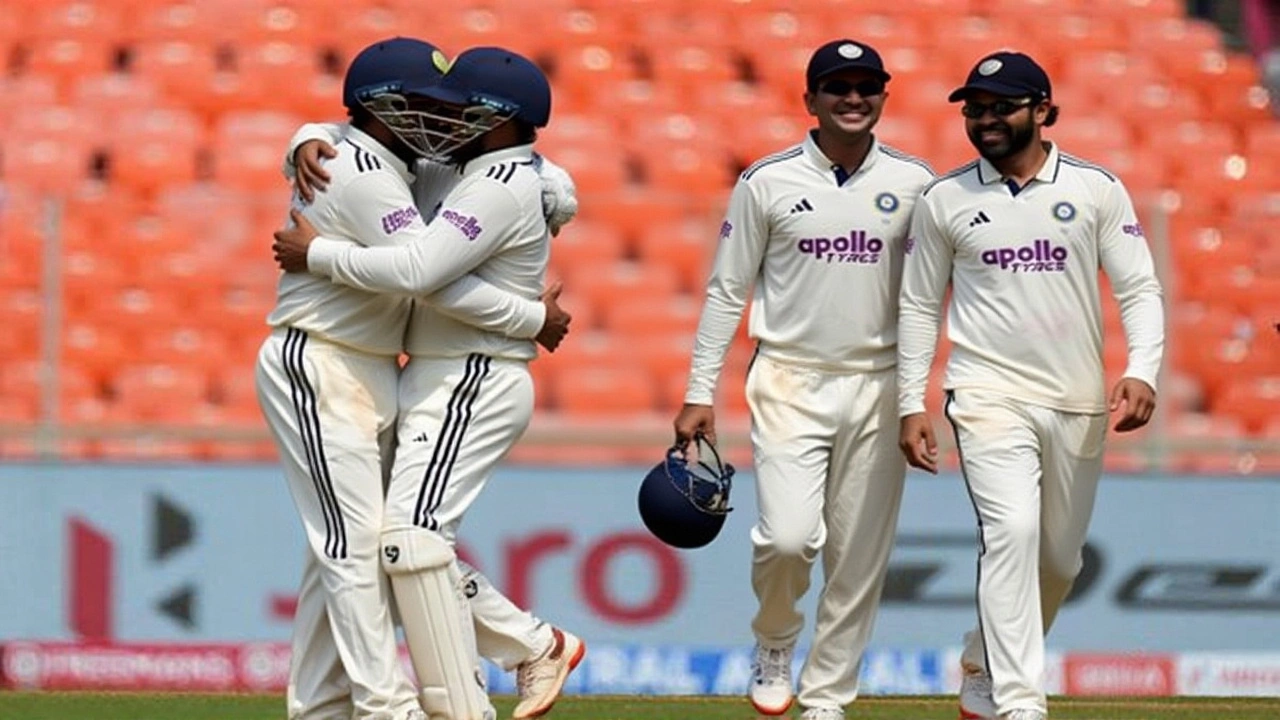
India crushed West Indies by seven wickets on October 14, 2025, at the Arun Jaitley Stadium in Delhi, sealing a commanding 2-0 series clean sweep in the West Indies tour of India, 2025India. Chasing a modest 121-run target on the final day, India reached 124/3 in just 35.2 overs, with KL Rahul anchoring the chase with an unbeaten 50 off 102 balls. The win wasn’t just a formality—it was the exclamation point on a dominant home campaign that exposed West Indies’ fragility under pressure.
From Ahmedabad to Delhi: A Study in Dominance
The series began on October 2, 2025, at the Narendra Modi Stadium in Ahmedabad, where India declared at 448/5 and bowled out West Indies for 162 and 146 in their two innings. The 140-run victory was built on the back of a blistering 175 from Yashasvi Jaiswal and a composed 96 from Shubman Gill. West Indies never looked competitive, their batting lineup collapsing under India’s disciplined spin and seam attack. By the time the teams reached Delhi, the writing was already on the wall.Delhi’s Flaccid Pitch and the Last Gasp of Hope
The Delhi pitch, described by commentators as “flaccid,” refused to break down as expected on Day 4. Normally, such surfaces offer turn and variable bounce for spinners—but this one stayed stubbornly flat. That allowed West Indies’ tail to rally. With the score at 370/9, Tevin Greaves and Kevin Seales batted for nearly two hours, adding 50 runs for the tenth wicket—the second-highest tenth-wicket stand ever against India. It was a defiant, almost poetic resistance. For a moment, fans wondered if West Indies could sneak a lead. But the gap was too wide. India’s 518/5 declared on Day 3 had already set up a mathematical inevitability.Kuldeep Yadav’s Masterclass and Siraj’s Precision
When India took the new ball on Day 5, the game changed. Mohammed Siraj struck immediately, trapping Kraigg Brathwaite Hope lbw with a delivery that kept low—a sign the pitch had finally, slightly, deteriorated. That moment unlocked the West Indies’ batting. Kuldeep Yadav then took over, spinning the ball sharply and exploiting the uneven bounce. He finished with 8 wickets in the match—his best-ever Test haul—snaring six in the second innings alone. His figures of 8/109 were the difference between a close finish and a rout.India’s spinners didn’t just win wickets—they broke morale. West Indies’ top order, already rattled in Ahmedabad, folded again. Tagenarine Chanderpaul and Alick Athanaze managed a 50-run stand in the second innings, but it was too little, too late. The contrast between India’s depth and West Indies’ reliance on a few names was stark.
India’s Batting Depth: A Machine in Motion
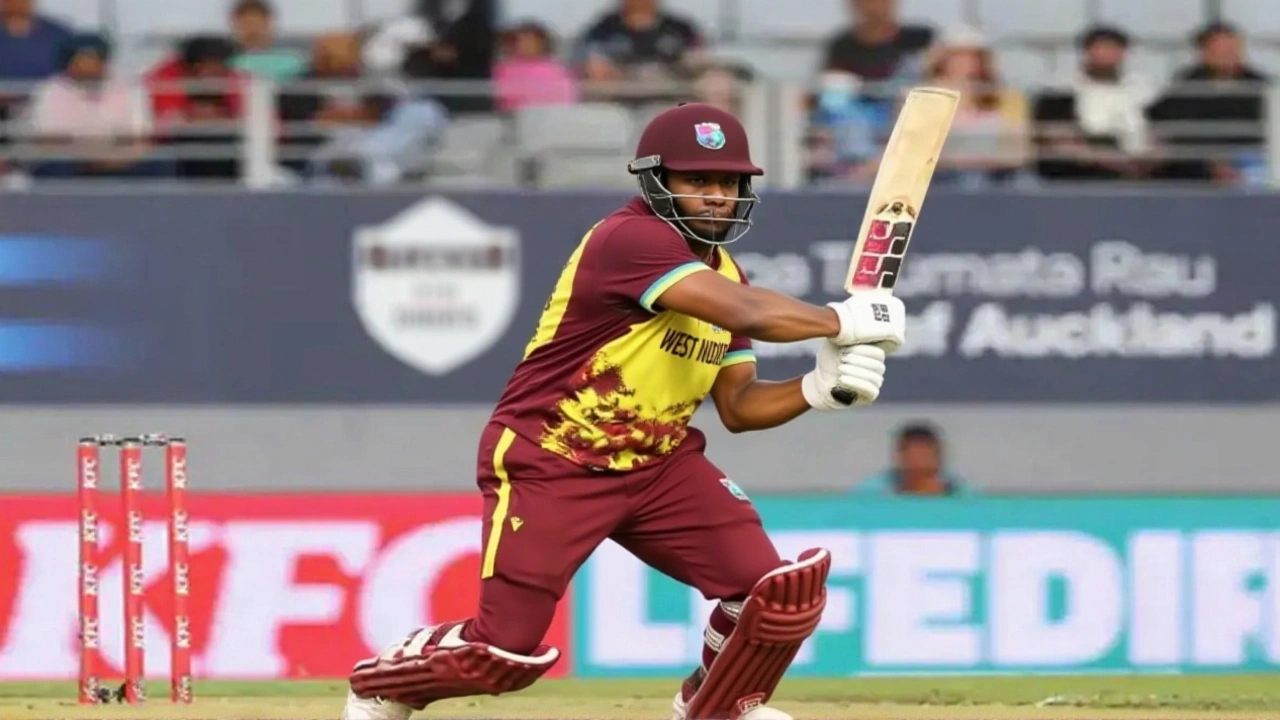
Across the two Tests, India’s top four batters—Jaiswal (219 runs), Rahul (196), Gill (192), and Dhruv Jurel (175)—combined for 782 runs at an average of 87. That’s not just good. That’s systemic. Jaiswal, the 22-year-old opener, played 258 balls for his 175 in Delhi, a masterclass in patience. Rahul, the veteran, played the anchor role with surgical precision. Even when India declared at 518/5, they had six batsmen who’d scored 30 or more in the innings. There was no panic. No heroics required. Just execution.And behind them, the bowling unit—Siraj, Kuldeep, Ravindra Jadeja, and the supporting cast—operated like a well-oiled engine. Jadeja, who scored 50 in Ahmedabad, didn’t need to bat much in Delhi. His 12 wickets across the series were quietly devastating. India didn’t just win. They dismantled.
What This Means for Both Teams
For India, this sweep extends their incredible home record in Test cricket. Since 2021, they’ve lost just one of 18 home Tests. This performance signals a team that’s not just dominant—it’s evolving. The emergence of Jurel as a reliable keeper-batsman, the consistency of Gill and Jaiswal, and Kuldeep’s return to peak form suggest India is building a side capable of winning anywhere.For West Indies, it’s another sobering chapter. They’ve now lost 11 of their last 12 away Tests. Their captain remains unnamed in official reports, a sign of instability. Their batting lacks structure beyond Chanderpaul and Athanaze. And their spin attack? Non-existent. They need more than hope. They need a rebuild.
What’s Next?
India’s next Test assignment begins in January 2026, when they host South Africa. West Indies, meanwhile, head to New Zealand in November 2025, where conditions will test their resolve even further. If they don’t fix their top-order frailties and develop a genuine spin threat, they’ll keep losing—on the road, and at home.Frequently Asked Questions
How did KL Rahul’s performance impact the outcome of the Delhi Test?
KL Rahul’s unbeaten 50 off 102 balls in the Delhi Test wasn’t flashy, but it was decisive. With India needing just 58 runs on Day 5 and the pitch offering uneven bounce, his calmness under pressure neutralized any last-ditch West Indies resistance. He faced 102 balls with only 6 boundaries, showing discipline that kept the scoreboard ticking without risk. His presence at the crease ensured India didn’t panic, turning a routine chase into a statement of composure.
Why was Kuldeep Yadav’s 8-wicket haul so significant?
Kuldeep Yadav’s 8-wicket match haul matched his personal best and was the most by an Indian spinner against West Indies since 2011. What made it special was the context: he broke a stubborn 50-run tenth-wicket partnership and then dismantled the top order with variations in flight and turn. With the pitch not offering much, his ability to create deception on a flat surface showed why he’s India’s most dangerous wrist-spinner in Tests right now.
What made West Indies’ tenth-wicket stand so remarkable?
Tevin Greaves and Kevin Seales’ 50-run partnership lasted nearly two hours and included the entire tea break—a rarity in modern Test cricket. It was the second-highest tenth-wicket stand against India in history, highlighting their grit. But even that effort couldn’t overcome India’s 270-run first-innings lead. It was a brave fight, but one that exposed West Indies’ lack of depth: only two batters in their entire lineup scored more than 30 runs in the match.
How does this series compare to past India-West Indies Test encounters?
India’s 2-0 sweep mirrors their dominance in the 2018-19 home series, where they won both Tests by over 100 runs. But this time, the margin was even more comprehensive: West Indies failed to post 250 in any innings. In 2011, West Indies won one Test in India; here, they were outclassed in every department. The gap in quality has widened significantly since then, especially in batting depth and spin control.
What does this result mean for India’s upcoming Test schedule?
This sweep cements India’s position as the world’s top Test team at home and boosts confidence ahead of the South Africa series in January 2026. With Jaiswal, Gill, and Jurel all performing, and Kuldeep back in form, India now has a balanced, multi-dimensional unit. The only concern? Over-reliance on spin in flat conditions—something South Africa’s pace-heavy attack will test.
Who were the standout performers across the two Tests?
Yashasvi Jaiswal led the batting with 219 runs at 73, while KL Rahul averaged 98 with 196 runs. Shubman Gill added 192 runs at 96, and Dhruv Jurel contributed 175 runs as a keeper-batsman. With the ball, Kuldeep Yadav took 8 wickets in Delhi and 12 in total, while Mohammed Siraj’s new-ball threat was constant. Together, they formed the core of a team that didn’t just win—it overwhelmed.
