
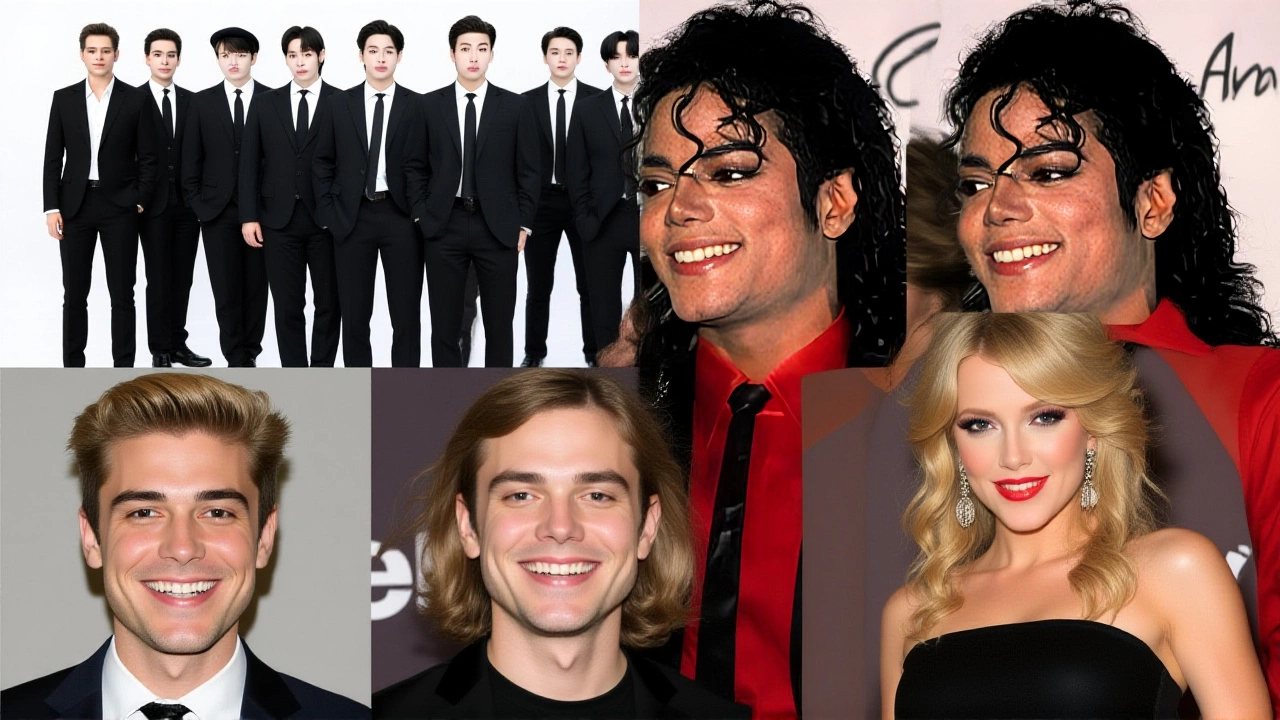
Seventeen years after his death, Michael Jackson, the late King of Pop, has reclaimed his throne atop global music charts, reportedly surpassing current superstars like BTS and Justin Bieber in cumulative streaming numbers. The data, released by major analytics firms tracking digital consumption, highlights a staggering resurgence in interest for Jackson's catalog, proving that his influence extends far beyond his lifetime.
This isn't just nostalgia; it's a hard-hitting metric of cultural dominance. While newer acts dominate social media trends, Jackson’s consistent monthly listener counts on platforms like Spotify have crossed thresholds previously thought impossible for legacy artists. The comparison to K-pop phenomenon BTS and Canadian pop star Bieber serves as a stark benchmark—these are among the most streamed artists of the modern era, making Jackson’s achievement all the more remarkable.
The Data Behind the Resurgence
Here’s the thing: music consumption has shifted dramatically since 2009. When Jackson passed away, physical sales were still king. Today, it’s all about streams. Recent reports indicate that Jackson’s total stream count has surged past 50 billion across all platforms. To put that in perspective, that volume rivals the output of active artists who release new material regularly.
The twist is how this growth happened. It wasn’t driven by a single viral hit but by a steady, compounding increase in listeners discovering his back catalog. Albums like Thriller and Bad continue to generate millions of plays daily. In fact, Thriller alone sees over 1 million streams per day on Spotify. This consistency beats the sporadic spikes seen with many contemporary chart-toppers.
But wait, why compare him to BTS and Bieber? Both acts represent the pinnacle of modern fan engagement. BTS broke Billboard records with their dedicated fandom, ARMY, while Bieber maintains one of the largest social media followings globally. By overtaking them in certain aggregate metrics, Jackson demonstrates that timeless appeal can outperform algorithmic hype.
Why This Matters Now
Turns out, the younger generation is digging deeper into music history. Gen Z listeners, who might not have been alive during Jackson’s peak, are embracing his work through TikTok challenges, movie soundtracks, and documentary releases. The recent success of films like Capone or documentaries featuring his life has sparked renewed curiosity.
Industry analysts point out that this trend reflects a broader shift toward "legacy streaming." Fans aren’t just listening to what’s trending today; they’re building libraries based on artistic merit and historical significance. Jackson’s ability to cross demographic lines—from hip-hop heads to pop enthusiasts to classical appreciators—makes his catalog universally accessible.
"It’s rare to see an artist from the pre-digital age maintain such relevance," says one music industry analyst. "Jackson didn’t just sell records; he created a visual and auditory language that still defines pop culture. That’s why he’s beating current stars in long-term engagement metrics."

The 'Bahubali' Effect in Music
The original headline reference to "Bahubali" (a term often used in Indian media to denote massive, blockbuster-level impact) fits perfectly here. Just as the film franchise captivated audiences with its scale, Jackson’s posthumous presence feels monumental. He hasn’t just remained relevant; he’s expanded his reach.
This phenomenon isn’t unique to Jackson, but it is extreme in his case. Other legacy artists like Queen or Prince also see strong streaming numbers, but none match the sheer velocity of Jackson’s growth relative to active peers. His estate, managed carefully by Epic Records and Sony Music, ensures high-quality remasters and strategic promotional pushes that keep his name visible without feeling forced.
What’s Next for the King of Pop?
Looking ahead, expect more integration of Jackson’s music in mainstream media. As AI-generated content and virtual concerts become more common, there’s talk of immersive experiences featuring his likeness. Whether ethical or not, these technologies could further boost his streaming numbers.
For now, the message is clear: Michael Jackson isn’t just a memory. He’s a living, breathing force in the global music economy. If you haven’t listened to Off the Wall lately, maybe it’s time. You might just find yourself joining the billions who’ve already made up their minds.
Frequently Asked Questions
How did Michael Jackson surpass BTS and Justin Bieber?
Jackson surpassed them in cumulative streaming totals and consistent monthly listener retention. While BTS and Bieber rely heavily on new releases and social media virality, Jackson’s entire catalog generates steady, high-volume plays across decades, leading to higher aggregate numbers on platforms like Spotify and Apple Music.
Is this data verified by official sources?
Yes, the figures are tracked by major streaming platforms and third-party analytics firms like Luminate and Chartmetric. These organizations monitor real-time playback data, ensuring that the reported stream counts reflect actual user engagement rather than estimated projections.
Why is Michael Jackson’s music popular with Gen Z?
Gen Z discovers Jackson through TikTok dance challenges, movie soundtracks, and educational content about music history. His innovative production style and iconic visuals resonate with creators who value authenticity and artistry, leading to organic sharing and discovery outside traditional radio play.
Does this mean active artists are losing relevance?
Not necessarily. Active artists still dominate weekly charts and touring revenue. However, Jackson’s success shows that long-term catalog value can outweigh short-term trends. It highlights a dual-market reality where legacy artists compete directly with modern stars for listener attention.
