Social Media Websites: What You Need to Know Right Now
Social media is part of everyday life, but it can feel overwhelming. One minute you’re scrolling TikTok, the next you’re wondering if it’s safe for your teen or if you should build a new app. This page gives you straight‑to‑the‑point answers, practical tips, and fresh ideas that you can use today.
Choosing the Right Age & Safety Tips
Most platforms set a minimum age of 13, but age alone doesn’t tell the whole story. Kids mature at different speeds, so watch for signs of responsibility: can they handle privacy settings, identify suspicious messages, and balance screen time with offline activities? If you’re a parent, start the conversation early. Explain why passwords matter, how to spot fake accounts, and why it’s okay to say no to a friend request that feels weird.
Use built‑in parental controls where available. Many sites let you limit who can see posts, block direct messages, or set daily usage timers. Combining these tools with a clear family rule—like no devices at the dinner table—creates a healthy routine without sucking the fun out of social media.
Using Social Media for Marketing and App Ideas
Businesses still discover massive value in platforms that feel like playgrounds. The key is to treat each site as its own community. On Instagram, high‑quality images and short reels grab attention. On Twitter, quick news bites and timely hashtags get shared fast. And on niche platforms like Tumblr, long‑form posts with relevant tags can lift your SEO and drive traffic back to your main site.
If you’re thinking about launching a new social networking app, ask yourself three things: What problem does it solve? Who is the specific audience you’ll serve? And how will it be different from Facebook or Instagram? A focused concept—like a network for indie musicians or a tool for remote workers—can cut through the noise and attract a loyal crowd.
Remember that success isn’t just about features; it’s about community. Encourage early users to give feedback, host regular Q&A sessions, and reward the members who help shape the platform. Even a modest app can grow fast when users feel heard.
Beyond marketing and app creation, social media also influences how we think. Studies show that scrolling can boost knowledge when you follow reputable sources, but it can also dilute attention if you bounce between endless feeds. The trick is to be intentional: set a purpose for each session, whether it’s learning a new skill, connecting with friends, or promoting a product.
In short, treat social media like any other tool—use it when it adds value, set boundaries when it doesn’t, and keep an eye on the bigger picture. Whether you’re a parent, a marketer, or an aspiring founder, the right habits make the digital world work for you, not against you.
-
Arvind Chakraborty

- 23 July 2023
What social media websites are popular in China?
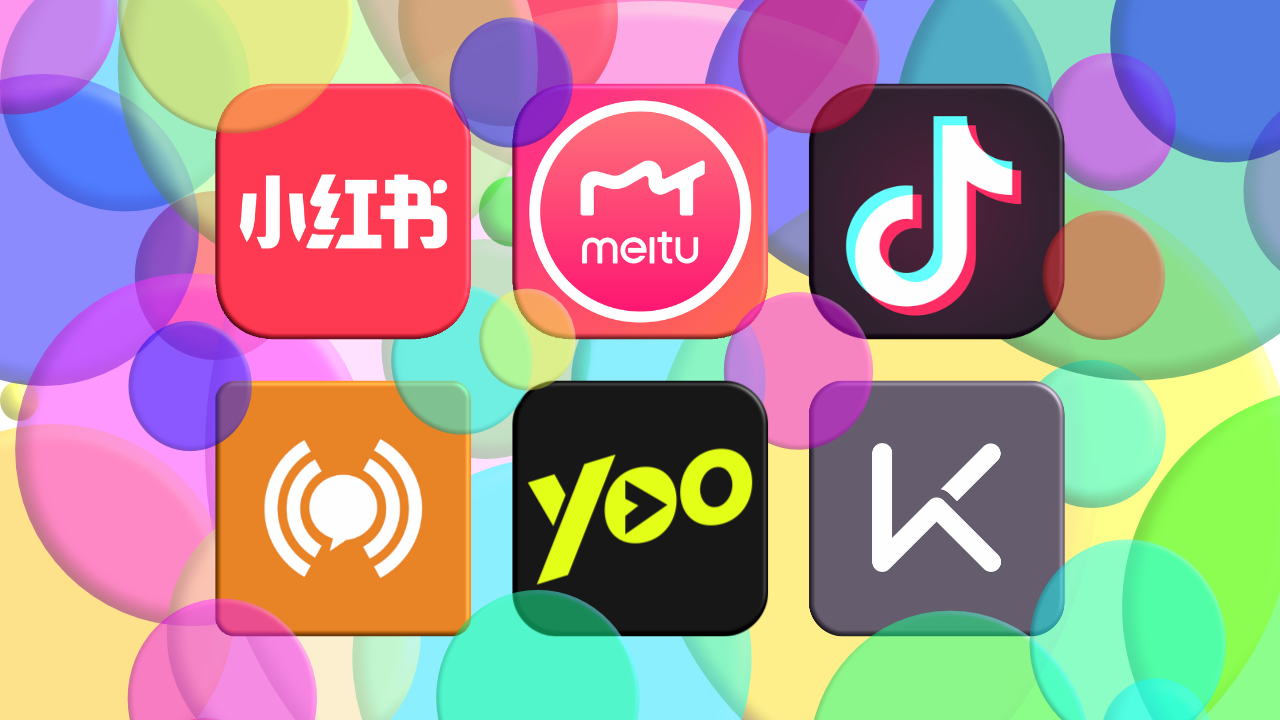
In China, the social media landscape is quite unique. The top platforms are WeChat and Sina Weibo, both of which are like a mix of Facebook, Twitter, and Instagram. There's also QQ, another popular messaging app that's been around for many years. Interestingly, platforms like TikTok, known locally as Douyin, are also gaining popularity among the younger demographic. These sites are primarily in Chinese and cater mainly to the local audience.
Categories

Tag Clouds