Aviation Accident: Latest News, Causes & Safety Insights
When talking about aviation accident, an incident where a plane crashes or is severely damaged during flight, take‑off or landing. Also known as a aircraft mishap, it instantly raises questions about what went wrong and how to stop it from happening again. Below you’ll find a curated set of stories that break down the why and what‑if of each event.
Key Players Behind Every Crash
Every aviation accident involves an aircraft, the machine that carries passengers or cargo through the sky. When something fails, a formal investigation, a systematic review by authorities to uncover root causes kicks in. In short, aviation accidents include aircraft, trigger investigations, and lead to safety reforms. That chain of events is why you’ll often see headlines about black boxes, pilot training, or weather patterns.
One major angle is flight safety, the set of practices and technologies designed to prevent accidents. Regulators push for stricter maintenance schedules, airlines adopt new cockpit alert systems, and pilots get extra simulator hours. The goal is simple: reduce the chance that a mishap repeats. When you read about a recent crash, look for mentions of revised safety protocols – that’s the real takeaway.
Airlines themselves are also central to the story. A carrier, the company that operates scheduled flights must balance profit, passenger comfort, and compliance with safety standards. After an accident, you’ll see carriers issuing statements, cooperating with investigators, and sometimes grounding similar aircraft types. These steps show how the industry reacts in real time to protect travelers.
Behind every incident, there’s a web of regulations. International bodies like the ICAO set guidelines, while national agencies such as the FAA enforce them. When an accident occurs, these rules are examined, updated, or reinforced – a process that often sprouts new safety bulletins or mandatory equipment upgrades. Think of it as a feedback loop: accidents expose gaps, regulations fill them, and the cycle repeats.
Technology also plays a growing role. Modern planes carry advanced sensors, real‑time data links, and AI‑driven monitoring tools. After a crash, the data retrieved from these systems can pinpoint exactly where the fault originated – be it a hydraulic leak, a software glitch, or human error. This tech‑driven insight is why you’ll read about “flight data recorder” findings alongside traditional witness accounts.
Finally, public perception matters. When headlines scream “plane crash,” passengers wonder if it’s safe to fly. Clear communication from airlines, investigators, and regulators helps rebuild trust. Articles that explain the cause, the response, and the steps taken to improve safety make a big difference in calming nerves.
Now that you understand the main pieces – aircraft, investigations, safety measures, carriers, and regulations – dive into the collection below. You’ll see real‑world examples that illustrate each point, from the latest crash updates to deep‑dive analyses of what went wrong and how the industry is fixing it.
-
Arvind Chakraborty

- 10 October 2025
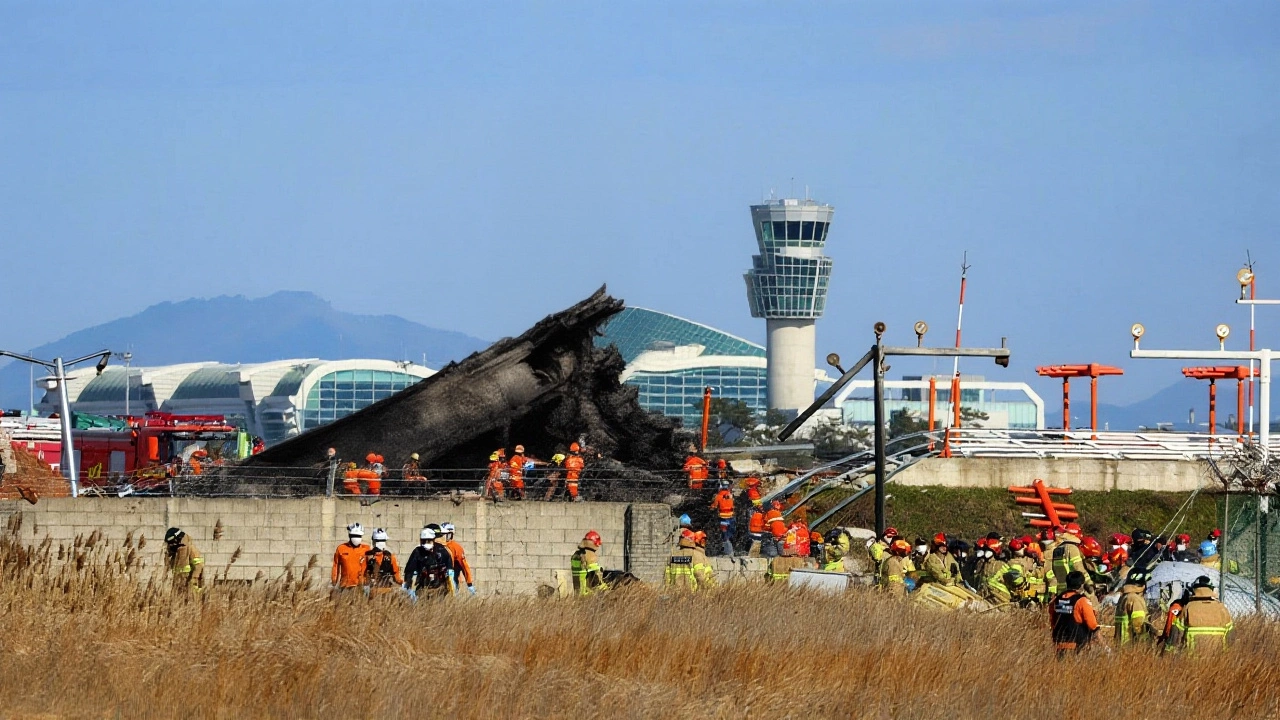
Missile Fragments Cripple Azerbaijan Flight 8243, 38 Dead Near Aktau
Azerbaijan Airlines Flight 8243 crashed near Aktau on Dec. 25 after missile fragments pierced the aircraft, killing 38 and leaving 29 survivors, prompting a multinational investigation.
Categories

Tag Clouds