Commercial Vehicles: What They Are and Why They Matter
When a business needs to move goods, people, or equipment, a commercial vehicle does the heavy lifting. Unlike regular cars, these vehicles are built for work, durability, and higher payloads. Think of the delivery van that brings your online orders, the big rig hauling containers across the country, or the service truck that carries tools to a job site. Understanding the basics helps you pick the right one for your needs.
Common Types of Commercial Vehicles
There are three main categories you’ll run into:
1. Light‑Duty Vans and Trucks – Ideal for city deliveries, small cargo, or passenger transport. Models like the Ford Transit, Mercedes Sprinter, or Isuzu N-Series can carry up to 3,000 kg and often have a low loading height.
2. Medium‑Duty Trucks – Used for regional freight or larger service fleets. Vehicles such as the Tata LPT, Mahindra Jeeto, or Volvo FL can handle 5,000‑10,000 kg and usually have a diesel engine for better torque.
3. Heavy‑Duty Trucks (Tractors & Semi‑Trailers) – The workhorses for long‑haul logistics. They pull 20‑40 tonne loads and include brands like Scania, Freightliner, and Ashok Leyland.
Choosing the Right Commercial Vehicle
Start with the core question: what will you be carrying? Measure the weight and volume of typical loads. If you need to move pallets, a box truck with a rear lift gate saves time. For frequent short trips in tight city streets, a compact van with good fuel economy is a smarter choice.
Next, think about mileage. Diesel engines are more fuel‑efficient for heavy loads but may cost more upfront. Gasoline or CNG options can be cheaper to maintain if your routes are short and the payload is light.
Don’t forget regulatory factors. Some cities impose emissions standards or restrict large trucks during peak hours. Check local rules before buying a big rig for urban deliveries.
Finally, look at technology. Modern commercial vehicles often come with GPS fleet tracking, telematics, and driver‑assist features. These tools cut fuel waste, improve safety, and give you real‑time insight into your operations.
By matching your payload, route, and budget with the right vehicle class, you’ll avoid overspending on capacity you never use or, worse, buying a truck that can’t handle your job.
Ready to shop? Compare specs side by side, read owner reviews, and schedule test drives with a focus on loading ergonomics. A well‑chosen commercial vehicle can boost efficiency, lower costs, and keep your business moving forward.
-
Arvind Chakraborty

- 12 September 2025
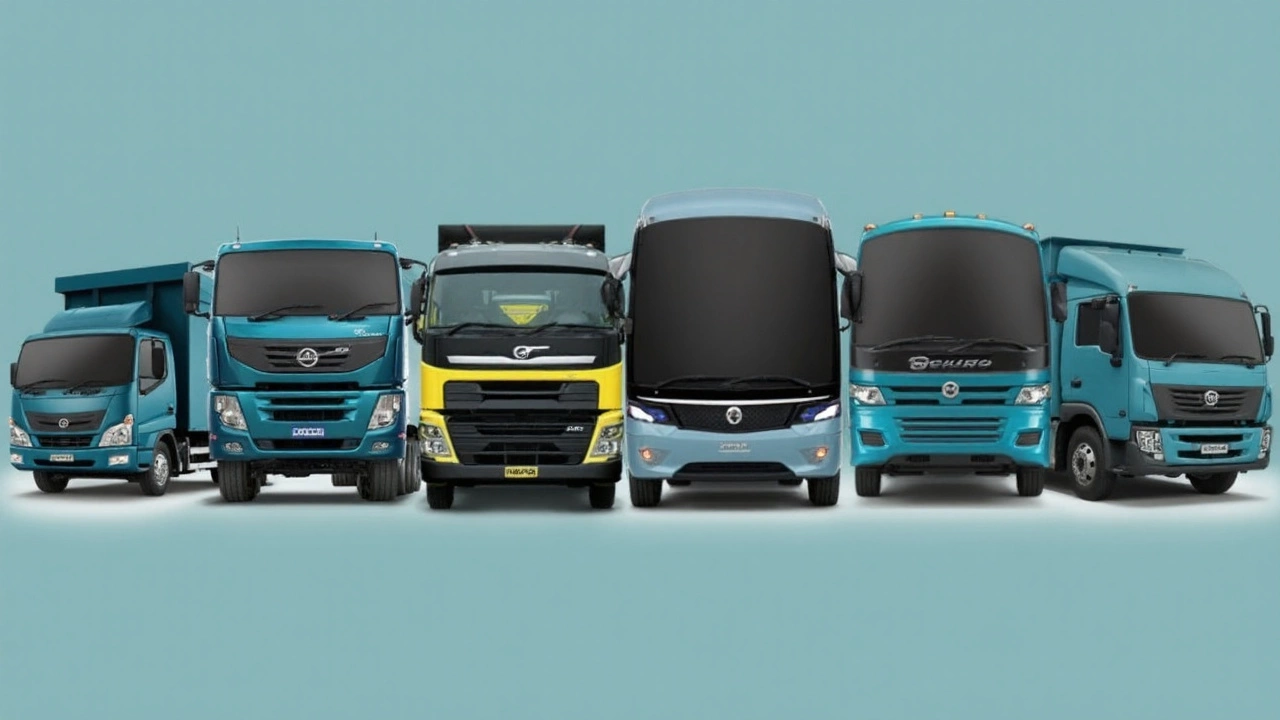
GST rate cut: VECV to slash truck and bus prices from Sept 22, savings up to ₹6 lakh
VECV will pass on the full GST 2.0 benefit to buyers from September 22, cutting prices of diesel, CNG, and LNG commercial vehicles as tax falls to 18%. Trucks get up to ₹6 lakh off; buses see ₹1.1–₹3.4 lakh cuts. Electric CVs stay at 5% GST. The move aims to reduce logistics costs, spur fleet replacement, and lift transport sector demand during the festive buying season.
Categories

Tag Clouds